Most people open a Stocks and Shares ISA with a vague plan and a mild sense of guilt. There is a deadline at the end of the tax year, an allowance nobody wants to waste, and a nagging feeling that everybody else already knows what they are doing. The process itself is short: pick a platform, pick a fund, send some money. The harder part is deciding whether you should be doing it at all, and how much is sensible. Here is the whole thing, in order.
An ISA is a tax wrapper, not an investment. It is an account that shelters whatever you hold inside it from UK income tax and capital gains tax. What you put inside is up to you: funds, individual shares, exchange-traded funds, investment trusts, bonds.
The rules worth knowing:
The wrapper does not reduce risk. Shares can fall, and an ISA will not stop them. It simply means the growth you do get is not taxed on the way out.
Before you compare platforms, decide when you might need this money. Investing only makes sense for money you can leave alone for at least five years, and preferably longer. If you are saving for a house deposit next spring, or you have no emergency fund, shares are the wrong home for that cash.
Money you might need within five years has no business being in the stock market.
Then decide how you will fund it. A lump sum is simple. A monthly direct debit is often better: you buy at whatever price the market offers that month, which smooths out the peaks and troughs, and it builds the habit without requiring decisions. Many people do both — a modest lump sum now, a standing order after that.
Platforms, sometimes called brokers, hold your ISA and process your deals. Charges matter more than anything else, because they compound against you in exactly the same way returns compound for you. A platform that looks cheap on its headline fee can work out expensive once dealing costs are added.
Write the total cost of your likely approach — platform fee plus fund charge plus dealing — before you sign up. That one calculation separates good platforms from good marketing.
You do not need a portfolio of ten funds. For plenty of first-time investors, one broad global tracker fund is a complete answer: it holds thousands of companies across many countries, and it charges very little. Others prefer a multi-asset fund, which holds shares and bonds together and does the diversifying for you.
Whichever you choose, check a few things:
Ignore last year's best performer. Past returns tell you what has already happened, not what comes next, and yesterday's winner is often tomorrow's laggard. If you are unsure whether a fund suits your circumstances, a regulated adviser can help — general information is not the same as advice.
On deadlines: a contribution counts for the tax year in which the platform receives your cleared money, not the day you clicked buy. Leave several working days before 5 April, especially if you are paying by transfer. Miss it and the allowance is gone — you simply start again with the new year's.
This is the part people find hardest. Check your statement quarterly rather than daily; watching a fund wobble is a reliable way to make bad decisions. Review properly once a year: are you still happy with the fund, has your allocation drifted, could you afford to increase the monthly amount? When your income rises, raise the direct debit before your spending adjusts.
Three practical points. First, fees compound too — a gap of half a percentage point in annual charges is a real sum over thirty years. Second, consider whether a cash ISA or a Lifetime ISA suits your goal better; a Lifetime ISA carries its own rules and an early-withdrawal charge, so read them properly. Third, remember that if a platform fails, FSCS protection covers investments up to £85,000 per person per firm — but it does not cover your investments falling in value.
The tax year end is a good prompt, not a reason to rush. If you can only manage a small monthly amount, that is still worth doing. If you are unsure about your wider finances, speak to a regulated financial adviser before committing money you may need sooner than you think.
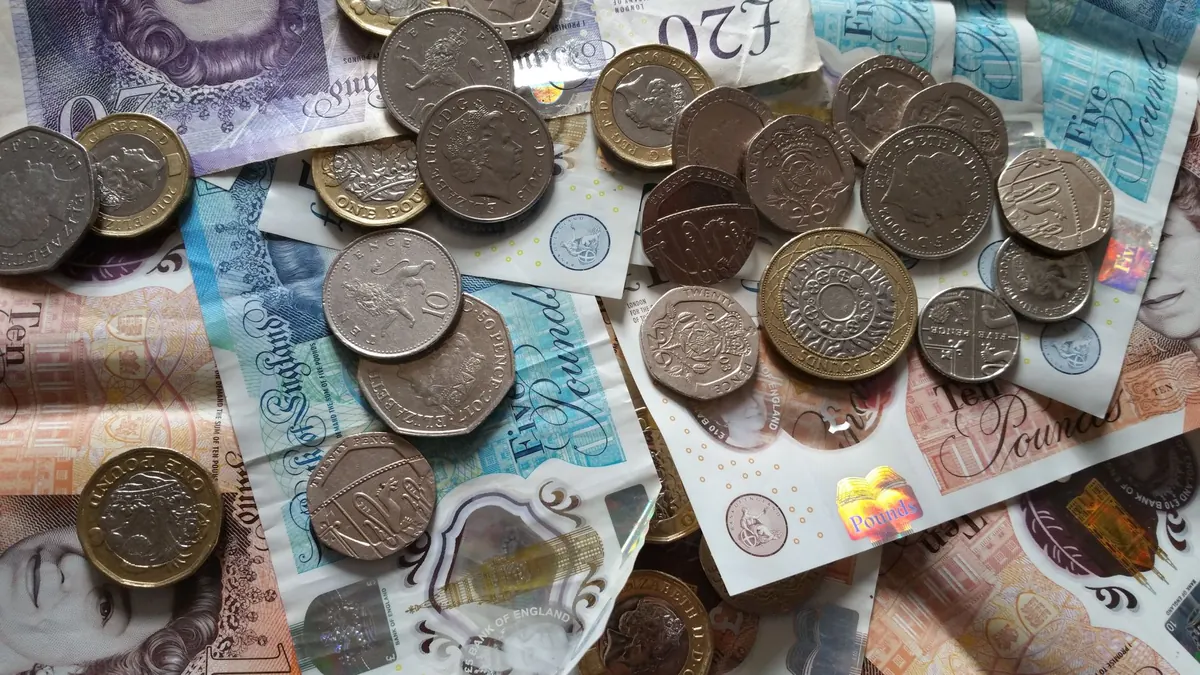
Photo: freephotocc / Pixabay